Evaluating Local Schools and Educational Resources
When choosing a neighborhood, understanding the quality of local schools and educational resources is crucial. This article aims to provide insights into evaluating schools effectively and how to access relevant educational resources in your vicinity.
The Importance of School Evaluation
Evaluating schools involves more than just looking at test scores. Many families consider factors such as school culture, teacher qualifications, and available extracurricular activities. Research indicates that schools with strong community involvement and support are often more successful in fostering student achievement.
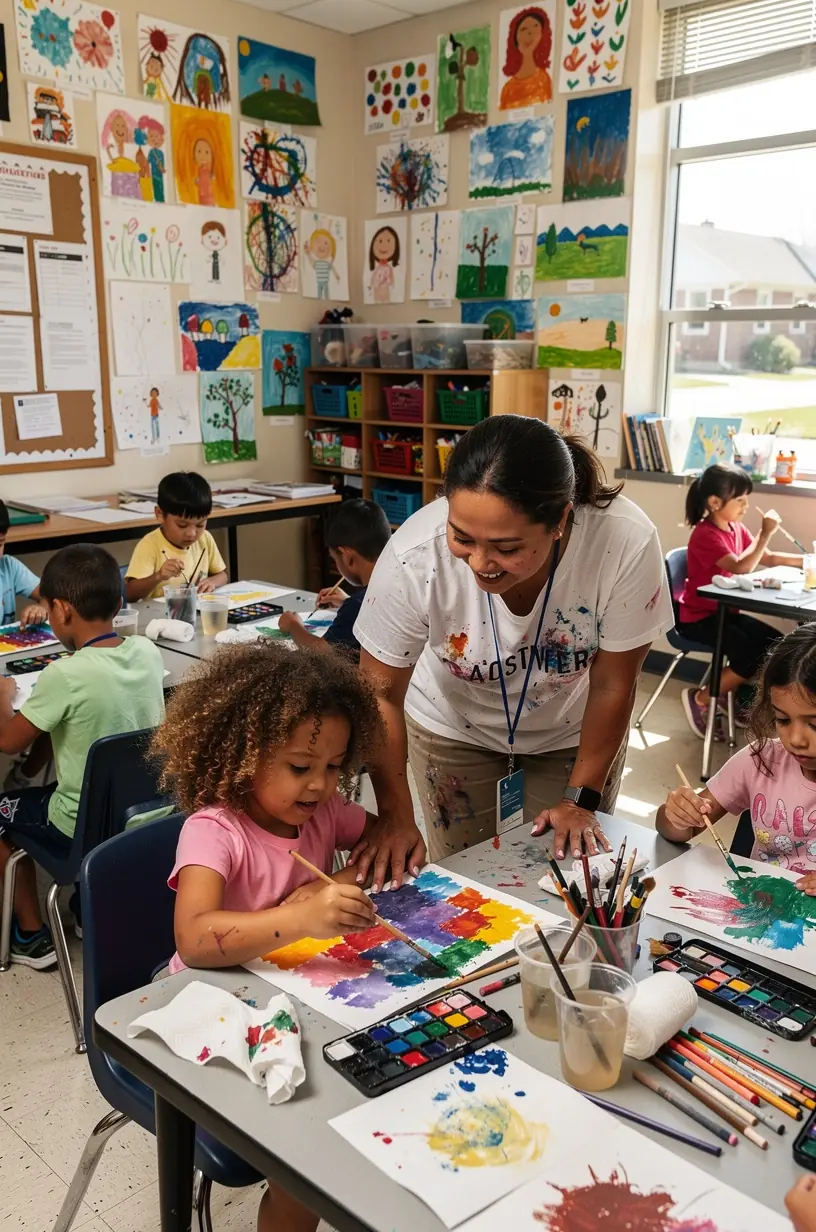
"School environments that promote inclusivity and parental engagement often see better student outcomes." - Education Researcher
Key Factors to Consider
- Academic Performance: Look at standardized test scores but also consider growth metrics that indicate how students are improving over time.
- Teacher Qualifications: Schools with highly qualified teachers typically offer better instruction. Resources from the National Center for Education Statistics suggest that teacher experience correlates with positive student performance.
- Extracurricular Activities: Programs in arts, sports, and clubs contribute to a well-rounded education. Many studies highlight that students involved in extracurriculars tend to perform better academically.
Exploring Educational Resources
Aside from schools, consider local educational resources such as libraries, tutoring centers, and community programs. These can supplement school education and provide additional learning opportunities.
Libraries
Local libraries often offer programs, workshops, and resources that can enhance learning. According to the American Library Association, access to library services is linked to improved literacy rates among students.
Tutoring Centers
Tutoring centers can provide personalized support. A study from the National Tutoring Association found that students receiving tutoring often show marked improvement in their grades.
How to Gather Information
To effectively evaluate local schools and educational resources, consider the following methods:
- Visit school websites and review their performance reports.
- Attend local school board meetings to discuss educational priorities and community involvement.
- Engage with parents in the community to gain firsthand insights about their experiences.
Conclusion
Evaluating local schools and educational resources requires a comprehensive approach that goes beyond mere statistics. By understanding the various factors that contribute to school performance and exploring available educational resources, families can make informed decisions about their children's education. Remember, the right school environment can significantly influence a child's academic journey, so take the time to evaluate what your local area has to offer.