
Understanding the Impact of Gentrification on Neighborhoods
Gentrification is a complex phenomenon that reshapes neighborhoods, often bringing both benefits and challenges. Understanding its implications is crucial for residents and local stakeholders.
Defining Gentrification
Gentrification typically involves the influx of wealthier residents into historically lower-income neighborhoods, leading to rising property values and rents. According to a study published in the American Economic Review, gentrification can significantly alter the social fabric of a community, driving out long-term residents who can no longer afford the rising costs.
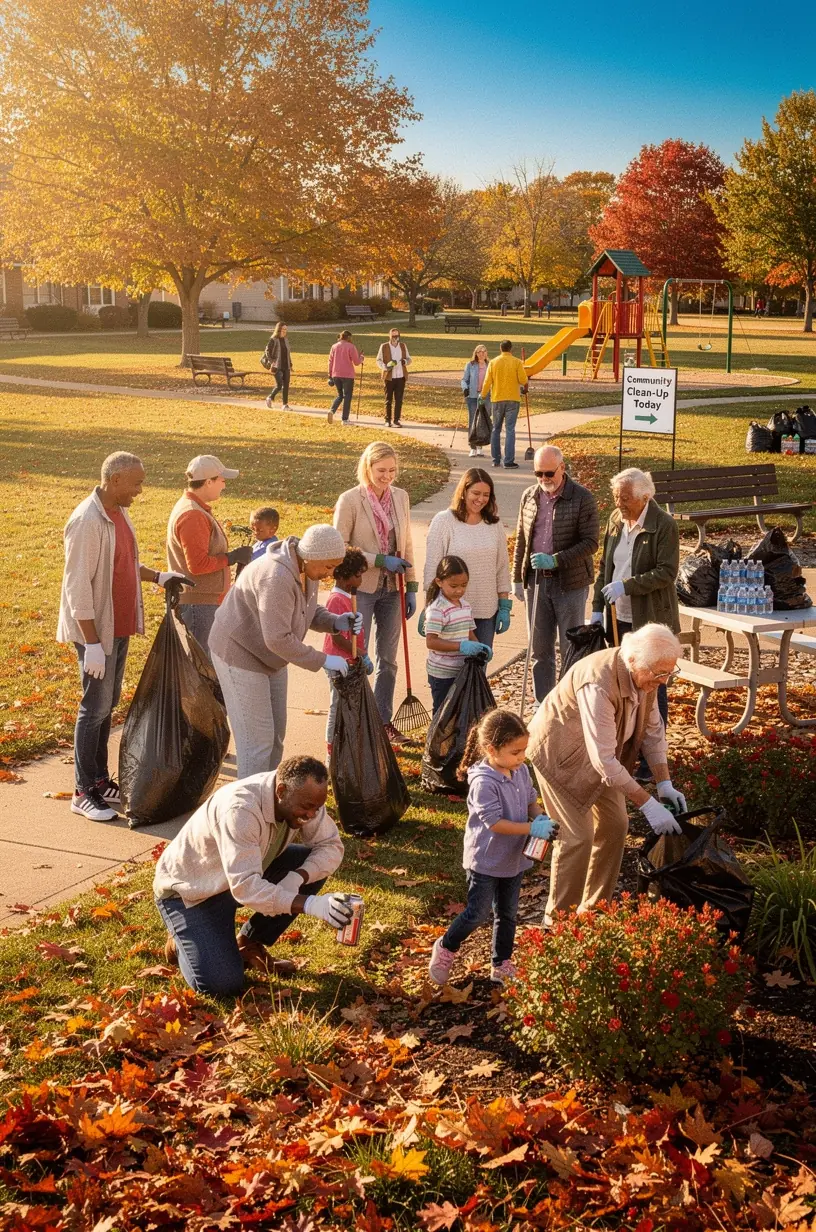
"Research indicates that gentrification can lead to both economic revitalization and displacement of existing communities." - Urban Studies Expert
The Positive Aspects
While often viewed negatively, gentrification can also bring some positive changes:
- Economic Development: Increased investment can enhance local businesses and infrastructure.
- Improved Services: New residents often demand better services, which can lead to upgrades in schools and public facilities.
- Increased Safety: Studies show that areas undergoing gentrification may experience a decrease in crime rates due to increased community involvement and resources.
The Challenges of Gentrification
Despite these benefits, gentrification poses significant challenges that must be acknowledged:
- Displacement: Many long-term residents may face eviction or be forced to relocate due to rising rents. According to The Washington Post, nearly 50% of low-income households in gentrifying neighborhoods reported displacement as a major concern.
- Loss of Cultural Identity: As new businesses and residents move in, the original character of the neighborhood can diminish, often leading to a loss of cultural heritage.
- Economic Inequality: Gentrification can exacerbate economic divides, creating a stark contrast between new affluent residents and those who remain.
Community Response and Adaptation
In response to gentrification, many communities are exploring strategies to ensure that development benefits everyone. These approaches may include:
- Community Land Trusts: These are nonprofit organizations that hold land for the benefit of a community, allowing residents to have a say in development.
- Affordable Housing Initiatives: Programs aimed at preserving affordable housing options can help mitigate displacement.
- Inclusive Zoning Policies: Some cities are adopting zoning laws that require a percentage of new developments to be affordable for low-income residents.
Conclusion
Gentrification is a multifaceted issue that can lead to both revitalization and displacement within neighborhoods. Understanding the dynamics of this process is vital for residents and policymakers alike. By fostering community dialogue and implementing thoughtful strategies, it is possible to navigate the complexities of gentrification while honoring the diverse needs of existing residents.
Learn More