Understanding the Importance of Public Spaces
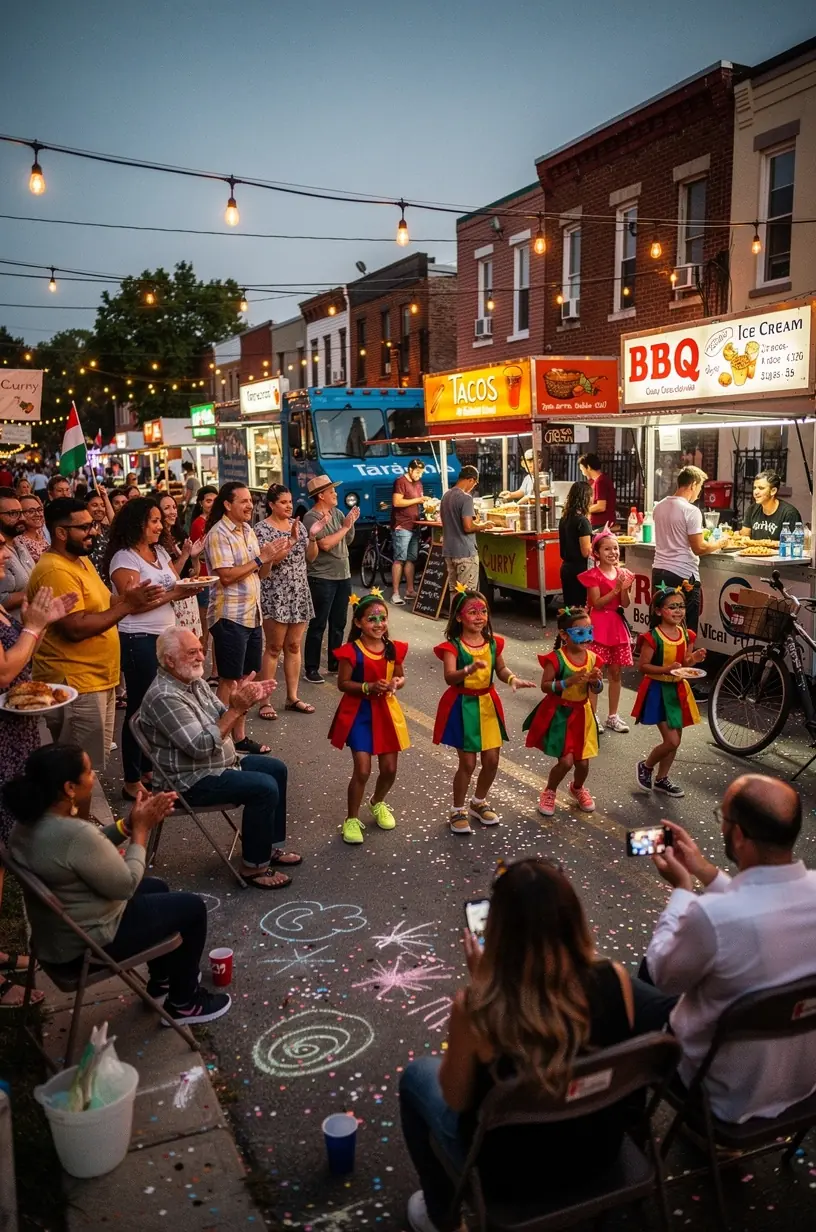
Public spaces play a vital role in fostering community interaction and enhancing the quality of life. This article explores their significance, benefits, and how they contribute to vibrant neighborhoods.
What Are Public Spaces?
Public spaces are areas that are open and accessible to all citizens, such as parks, plazas, sidewalks, and streets. According to the Project for Public Spaces, these spaces are essential for promoting social interaction among community members and fostering a sense of belonging.

"Public spaces are the living room of a city, where people create connections and build community." - Project for Public Spaces
Benefits of Public Spaces
Research indicates that well-designed public spaces can offer numerous benefits, including:
- Enhanced Community Interaction: Public spaces provide venues for social gatherings, events, and activities, which can help strengthen community ties.
- Improved Mental Health: Studies show that spending time in green spaces can reduce stress and promote overall well-being.
- Economic Opportunities: Neighborhoods with vibrant public spaces often experience an increase in local business activity, as these areas attract visitors.
The Role of Design in Public Spaces
The design of public spaces is crucial to their effectiveness. According to urban planning experts, spaces should be accessible, safe, and inviting. Features such as seating, shade, and landscaping can enhance usability and encourage community engagement.
Challenges and Considerations
While public spaces offer many advantages, they also face challenges. Factors such as maintenance, safety, and accessibility must be considered. For instance:
- Maintenance Needs: Regular upkeep is essential to ensure that public spaces remain welcoming and functional.
- Equity in Access: It's important to design public spaces that cater to the diverse needs of the community, ensuring that everyone, regardless of age or ability, can enjoy them.
- Community Input: Engaging local residents in the planning process can lead to more relevant and effective public spaces.
Conclusion
Public spaces are fundamental to thriving communities, offering a variety of social, economic, and environmental benefits. By understanding their importance and investing in their development, neighborhoods can create environments that foster connection and enhance the quality of life for all residents. Prioritizing well-designed public spaces can lead to more engaged communities and a healthier urban landscape.